

In a culture wired for distraction and numbed by endless choice, Stranger Things has done what many few brands can do. It didn’t didn’t just chase attention, it pulled eyeballs toward it.
How? Well they build what i call a cult brand. One with a strong sene of gravity, that sucks consumers in. A brand that doesn’t just invite you in, but makes you feel complicit in the brand story unfolding. And at a time at a time when collective viewing is dissolving and attention is evaporating, the show’s communications strategy stands as a masterclass in modern marketing..
Curious?
Let’s dive into the upside down.
Mystery beats message
Every great cult begins by building intrigue, a quiet rupture in the ordinary, and Stranger Things understood exactly how to do this. Before a full trailer ever surfaced, Netflix led with intentional absence: a campaign built from static, half-seconds, and signals that felt slightly misaligned. A kind of narrative austerity. teasing just enough to create a disturbance but never enough to give away the full answer.

 Tiktok failed to load.
Enable 3rd party cookies or use another browser
Conspiracy theories where awash across socials for months leading up to the Season 5 trailer
By staying quiet for so long, deliberately quiet, the brand created the perfect kind of oxygen. It gave fans space to gather, speculate, and let their curiosity grow unchecked. So when the official trailers finally arrived, they didn’t land on empty ground. They hit an audience already primed to react, and the response was immediate: a full-blown frenzy.
What followed wasn’t a typical promo cycle either. It was a trail of clues scattered across the internet. On TikTok, tiny clips turned into group investigations. One frame, one gesture, one visual glitch and suddenly the comments section behaved like a war room. Everyone believed they’d spotted something others had missed. Over on Reddit, the speculation went even deeper. Fans brightened screenshots, isolated shadows, treated reflections like meaningful symbols. Theories didn’t just appear; they multiplied, collided, and evolved into even stranger interpretations.
The brilliance of this approach was simple: the accuracy didn’t matter. The act of hunting for meaning did. Netflix didn’t just release trailers they sparked a collective investigation. And fans weren’t watching; they were decoding.
What made it work wasn’t secrecy but engineered ambiguity. Netflix nudged the crowd without ever confirming or denying anything. Poster drops came with no captions. Character teasers lingered on background objects instead of the characters themselves. Even Google joined in, flipping search results into the Upside Down. Everywhere you looked, it felt like there was another hint, another code, another doorway into the story. Fandom shifted from entertainment to practice.
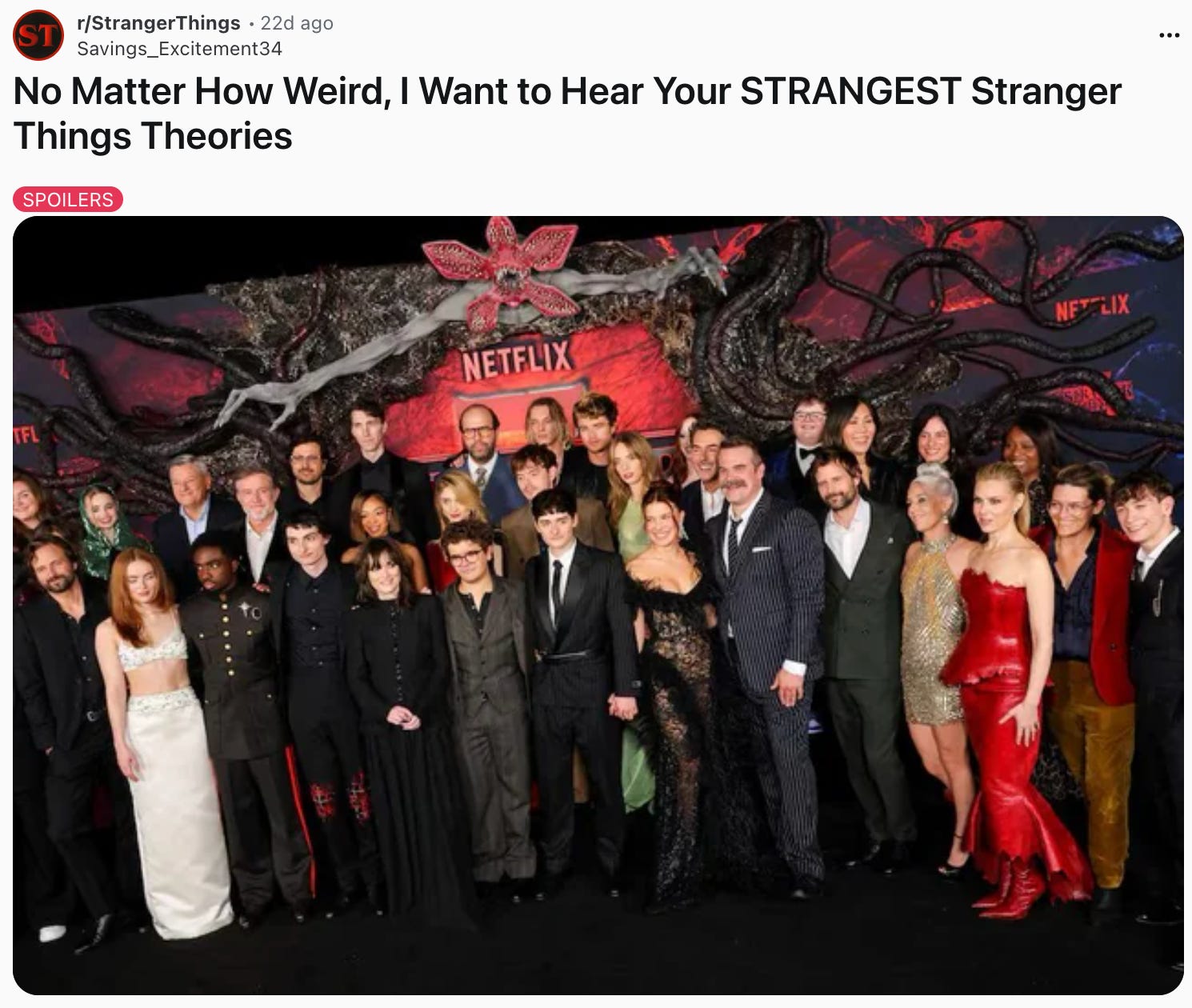
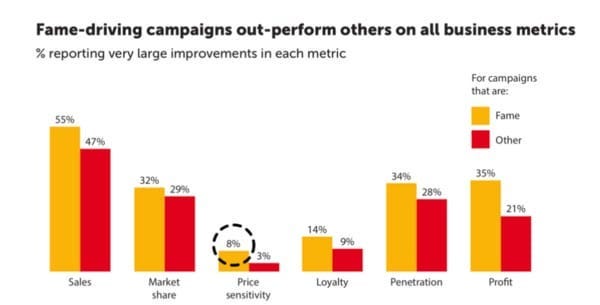
And the best part? All of that activity (commenting, sharing, theorizing )pushed Stranger Things to the top of every algorithm. The result? the internet didn’t just talk about the show; it was consumed by it….creating a boat load of fame (the biggest driver of brand growth).
Attack cities, not channels
If the online campaign was about conspiratorial intimacy, the real-world campaign was about scale. Loud, physical, and impossible to ignore. Stranger Things didn’t simply appear in cities such as London, Madrid, Los Angeles, New York, Tokyo…it took them over.
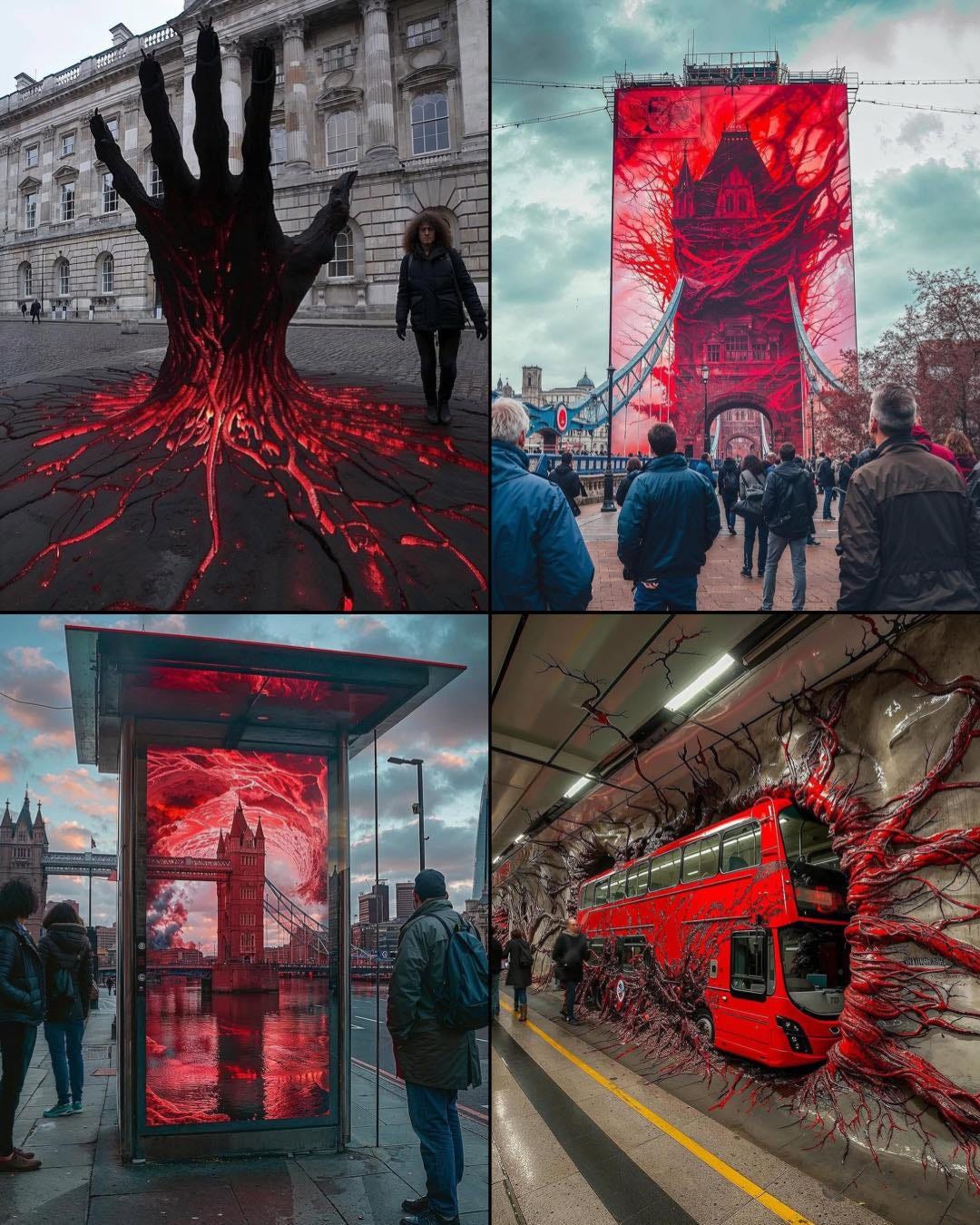
London was the first major breach. Overnight, billboards began glitching in real time. Screens flickered as if a signal were breaking, then shifted into eerie red portals that looked straight out of the Upside Down. Posters were hung upside down. Cracks appeared in walls as though something underneath was trying to break through. Red light washed over familiar stations and streets. For commuters, it didn’t feel like advertising. It felt like an intrusion, Hawkins leaking into the city and blurring the line between fiction and reality.
Then came WSQK: The Squawk, the boldest moment of all. Netflix launched a fully functioning 1980s-style radio station that broadcast across London. It played era-specific music, aired fake Hawkins commercials, and featured DJs who sounded like they lived in 1985. Every detail, from the station van to the branding, felt true to the Stranger Things universe. Fans began wondering if the radio station itself was a clue about the season’s plot, and that speculation naturally became part of the campaign.
This pattern repeated around the world, each city getting its own interpretation. Madrid turned into a multi-week Hawkins takeover, with streets and storefronts transformed into scenes from the show. Los Angeles held the emotional “One Last Ride” bike rally, a nostalgic sendoff echoing the signature way the kids of Hawkins traveled. New York delivered a national moment: a full Stranger Things float at the Macy’s Thanksgiving Day Parade, complete with Foreigner performing atop a glowing, ominous Hawkins Lab. These cities didn’t feel like settings for ads. They felt temporarily possessed. Even places that rarely get large-scale pop culture activations, like the Riyadh desert or the neon heart of Tokyo, became gathering spots for screenings, fan events, and immersive experiences.
The above approach reminded me a lot of what we used to do at Wieden & Kennedy London when working on Nike. We called it a city attack, a way to make a budget feel much bigger by concentrating spend in a few core areas and going big. It effectively deepens immersion and makes the brand feel much larger than it actually is.
Expand via fandoms
In a previous episode of Behind the Brands, we explored how PerfectTed used ‘Little Bigness’ to scale fast…winning one tight geographic group (women aged 18–35 in London) before expanding outward. Stranger Things took the same principle but applied it differently. Instead of geographic dominance, it pursued fandom dominance. It infiltrated, scaled, and ultimately owned one micro-community at a time, interest by interest, subculture by subculture, until the sum of those little wins created something that felt culturally enormous.
Primark’s streetwear line made Hawkins High apparel part of everyday wardrobes. Nike and Converse released footwear that blurred the line between costume and fashion statement, transforming sneaker drops into lore-encoded artifacts. CoverGirl launched a Stranger Things makeup collection that didn’t feel like fan-service merch; it felt like an editorial interpretation of the Upside Down’s palette. D&D released game sets tying directly into the Hellfire Club mythology, giving tabletop players a reason to deepen their narrative connection. Even food brands…Eggo, Doritos, Gatorade….didn’t just plaster logos on packaging; they resurrected discontinued flavors, created fictional crossover products, and leaned fully into the universe’s 1980s heart.
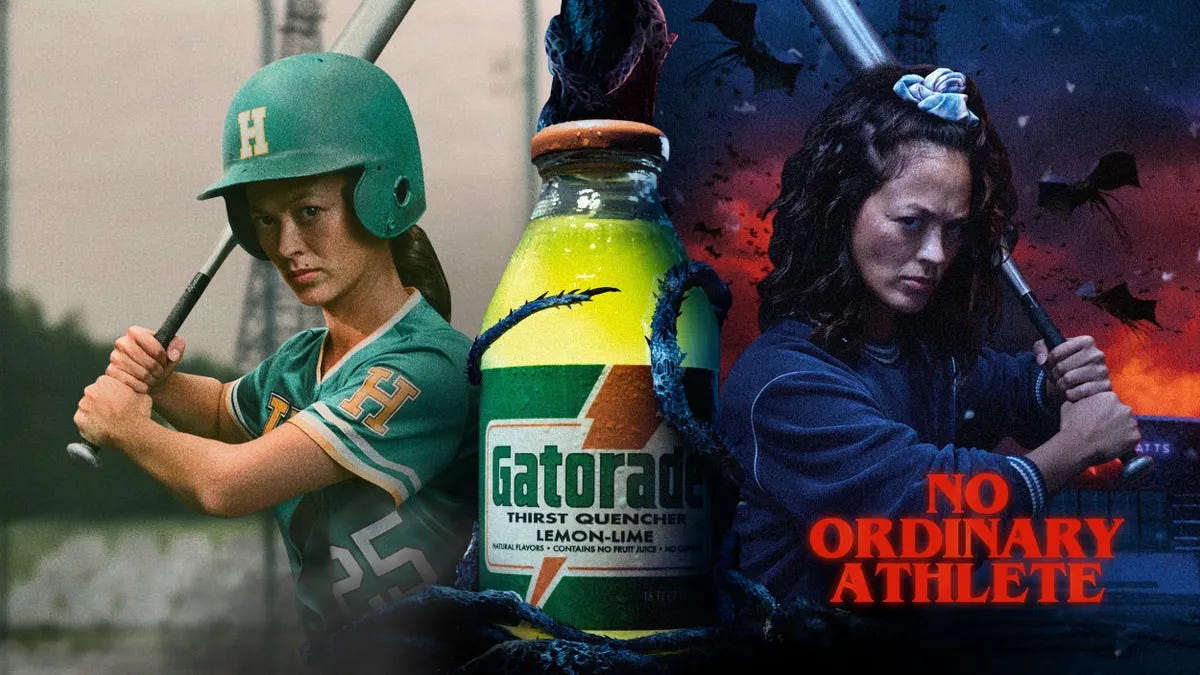
Target went the furthest. More than 150 products, complete with in-store activations that transformed aisles into mini-Hawkins experiences. Plush toys, décor, snacks, apparel, electronics—everything softened into nostalgia or sharpened into thematic mimicry. A trip to Target during launch season felt less like shopping and more like stepping through a curated portal into an alternate timeline.
Brands often talk about “meeting people where they are.” Stranger Things met people where they identify. That’s the difference. And because each subculture is inherently social, the campaign didn’t need to shout. It simply needed to show up wearing insider clothing. Fans did the amplification.
You see in a cult led strategy, the goal is omnipresence. To feel like you are everywhere all at once. One that infiltrates fandom by fandom…growing masss reach in the process.
Join our strategy masterclass
Like this content? Then you’ll love our strategy masterclass. A course perfect for founders looking to define the vision of their brand, freelancers looking to win more business or internal agencies looking to level up their strategic & creative output. Click below to find out more…
Owning a moment
Cult brands don’t just release a show.
Cult brands own a cultural moment
The release schedule was the masterstroke: four episodes at Thanksgiving, three at Christmas, and the finale on New Year’s Eve. It positioned Stranger Things not as content to binge, but as the show to watch this holiday season. By spacing the episodes across holidays, Netflix created a cadence of anticipation. Family gatherings turning into viewing parties, holiday downtime merging with narrative immersion, and the countdown to the finale aligning with the countdown to the new year.
And it didn’t stop there. Global fan screenings turned premieres into communal rituals, from Leicester Square to Stockholm to Tokyo. Fans showed up in costume, participated in themed activities, and watched alongside cast members. The experience felt less like a screening and more like a pilgrimage. Meanwhile, the six-continent experiential rollout ensured that no corner of the world was excluded. Every city had its own ritual, its own memory, its own way of saying goodbye.
The brilliance in all this was the emotional pacing. Stranger Things didn’t ask fans to marathon episodes alone on their couches at midnight. It invited them to savor, to gather, to experience the ending together. And in a world where collective viewership has been in decline this felt not only magical but memorable.
Four principles to learn from…
To wrap up, here are the big takeaways from Netflix’s cult-led launch playbook:
1. Mystery beats message
Stranger Things didn’t flood the internet with information. It held back. That deliberate quiet created space for curiosity to grow and for fan conspiracies to flourish. By the time the trailers dropped, they didn’t just inform…they detonated. The lesson: mystery can be more powerful than messaging.
2. Attack cities, not channels
Instead of thinly spreading budget across markets, Netflix concentrated spend in major cultural hotspots—London, Madrid, New York, LA—turning them into living extensions of the Upside Down. This “city attack” approach makes a brand feel far bigger than its actual footprint. Challenger brands can borrow this: go deep in fewer places, and the world will assume you’re everywhere.
3. Expand via fandoms
Rather than chasing broad audiences, Netflix embedded Stranger Things into existing subcultures—streetwear, beauty, gaming, nostalgia food, collectibles. Each partnership unlocked a new tribe. The strategy wasn’t reach; it was relevance. Cult brands grow fastest when they move through communities that already care about something.
4. Own a moment
The staggered holiday release, global fan screenings, and six-continent activations turned the final season into a ritual, not a content dump. Netflix didn’t give fans episodes; it gave them shared occasions. Challenger brands can learn from this pacing: engineer moments people gather around, not just assets they scroll past.
Great piece Will. Fascinating read.
ST is such an interesting brand case study. It taps into nostalgia with the ’80s setting, but it also first dropped almost 10 years ago — which somehow makes it nostalgic now. I watched season 1 like five exes ago 😂
Fandoms love Easter eggs (cough Swifties) and decoding content just to be the first to spot it. But we also can’t ignore the sheer budget Netflix pours into ST. Those OOH campaigns must’ve cost a fortune.